
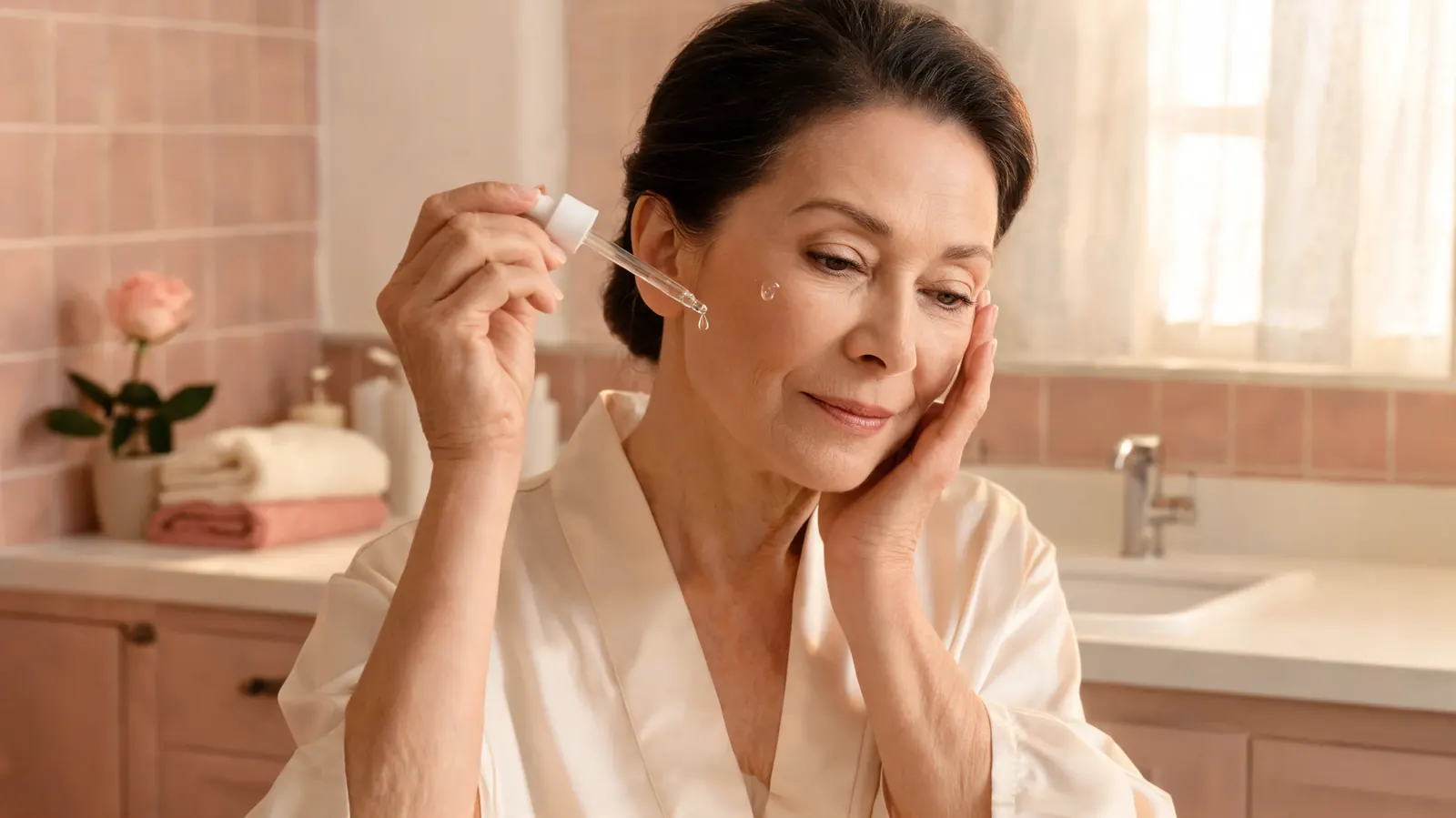
Retinol has been studied since the 1970s. It is, by a comfortable margin, the most researched topical ingredient in dermatology. And yet a surprising number of women in their fifties have never actually used it, or tried it once, had a rough week of flaking, and quietly put it back under the sink. That is understandable. Mature skin does not tolerate retinol the way younger skin does. But that is not a reason to avoid it. It is a reason to use it more carefully.
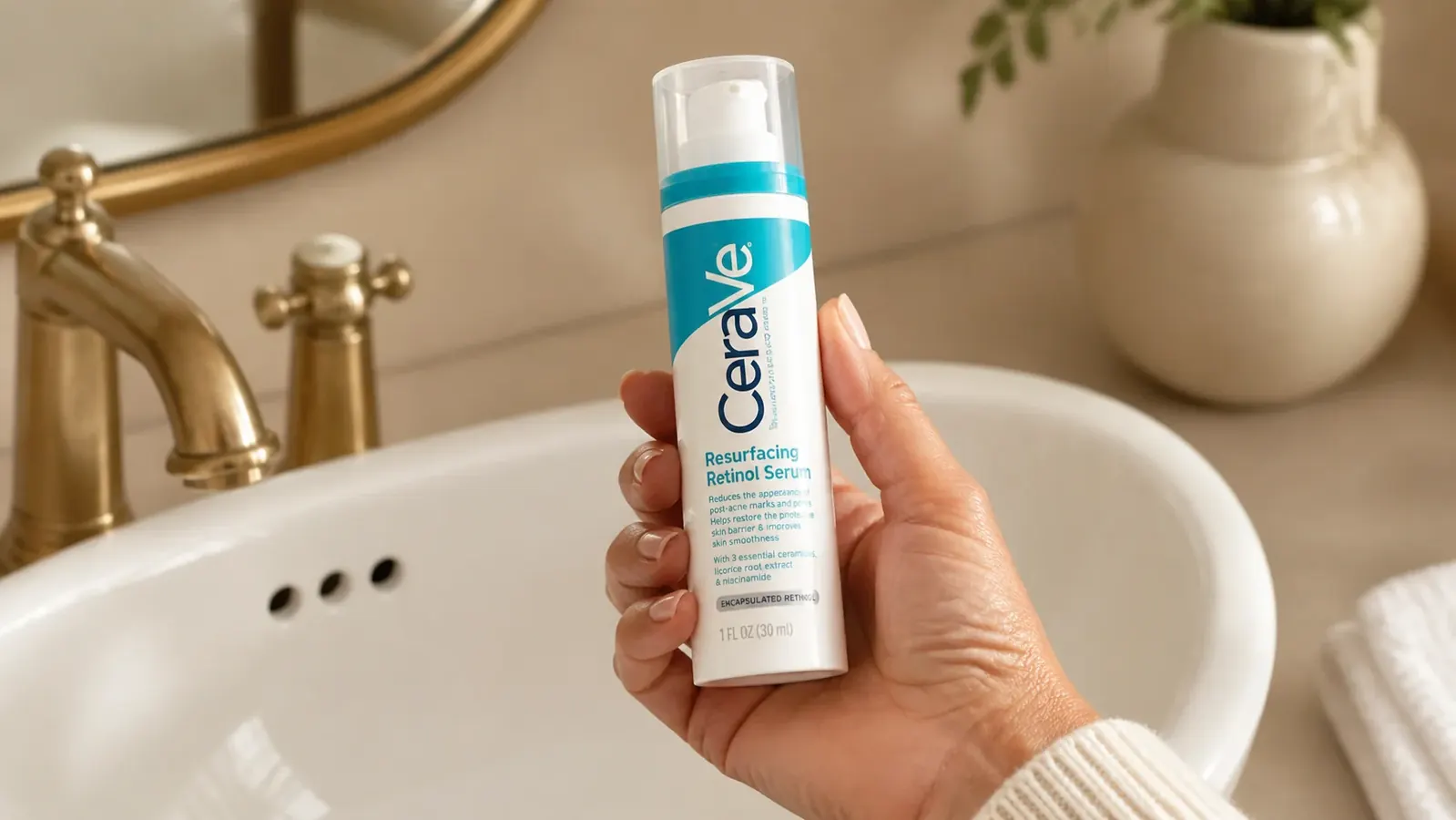
I came to retinol late, at 54, after spending most of my beauty editor career writing about it for readers rather than using it myself. When I finally did start, I used CeraVe Resurfacing Retinol Serum because the formulation pairs retinol with ceramides and niacinamide, which is a sensible combination for skin that has thinned since menopause. Below are ten reasons the ingredient itself earns its reputation, and the specific caveats that apply when you are using it on hormonally shifted, post-menopausal skin.
Your skin has thinned since menopause. This serum is built for exactly that.
CeraVe Resurfacing Retinol Serum pairs encapsulated retinol with ceramides and niacinamide to resurface without stripping. It is what I started with at 54 and still use three nights a week.
Amazon Check Today's Price on Amazon →It accelerates cell turnover that genuinely slows down after menopause
In your twenties, skin cells turn over roughly every 28 days. By your mid-fifties that cycle has extended to 45 or 60 days, which is part of why complexion looks duller and texture rougher. Retinol speeds this process by signaling skin cells to divide more quickly. The effect is measurable and has been replicated in peer-reviewed studies for decades. CeraVe's encapsulated retinol releases gradually, which makes the turnover acceleration gentler on skin that is no longer as resilient as it was at 35.
It stimulates collagen production in the dermis, not just at the surface
Collagen production declines roughly one percent per year after your mid-twenties, and that decline steepens significantly in the first five years after menopause. Retinol works in the dermis, not just the outer layers, where it prompts fibroblasts to produce more collagen. This is not a claim derived from brand marketing. It is documented in dermatological literature going back to the 1990s. The practical result over months of consistent use is skin that feels less papery and holds its shape slightly better.
It fades the hyperpigmentation that accumulates in your forties and fifties
Dark spots from sun exposure and hormonal fluctuation are one of the most common skin concerns I hear from women in this age group. Retinol addresses them through two mechanisms: it interferes with melanin transfer to the skin's surface, and it speeds up shedding of already-pigmented cells. Results take eight to twelve weeks of consistent use, which is longer than a vitamin C serum, but the fading tends to be more even and lasting. The niacinamide in the CeraVe formula also inhibits melanin transfer, so the two ingredients work on the same problem from different directions.
It improves skin barrier function when paired with ceramides
Here is what most retinol coverage misses for women our age: used incorrectly, retinol can compromise the skin barrier, causing the tight, stinging, dry feeling that makes so many women quit. Used correctly, with a formula that includes barrier-supporting ingredients, it can actually improve barrier function over time by normalizing keratinization. The ceramides in the CeraVe serum are doing real work here. Ceramides are lipid molecules naturally present in the skin barrier that deplete after menopause. Having them in the same formula as the retinol is not cosmetic padding. It is a formulation decision that matters on mature skin.
It smooths fine-line texture faster than any moisturizer can
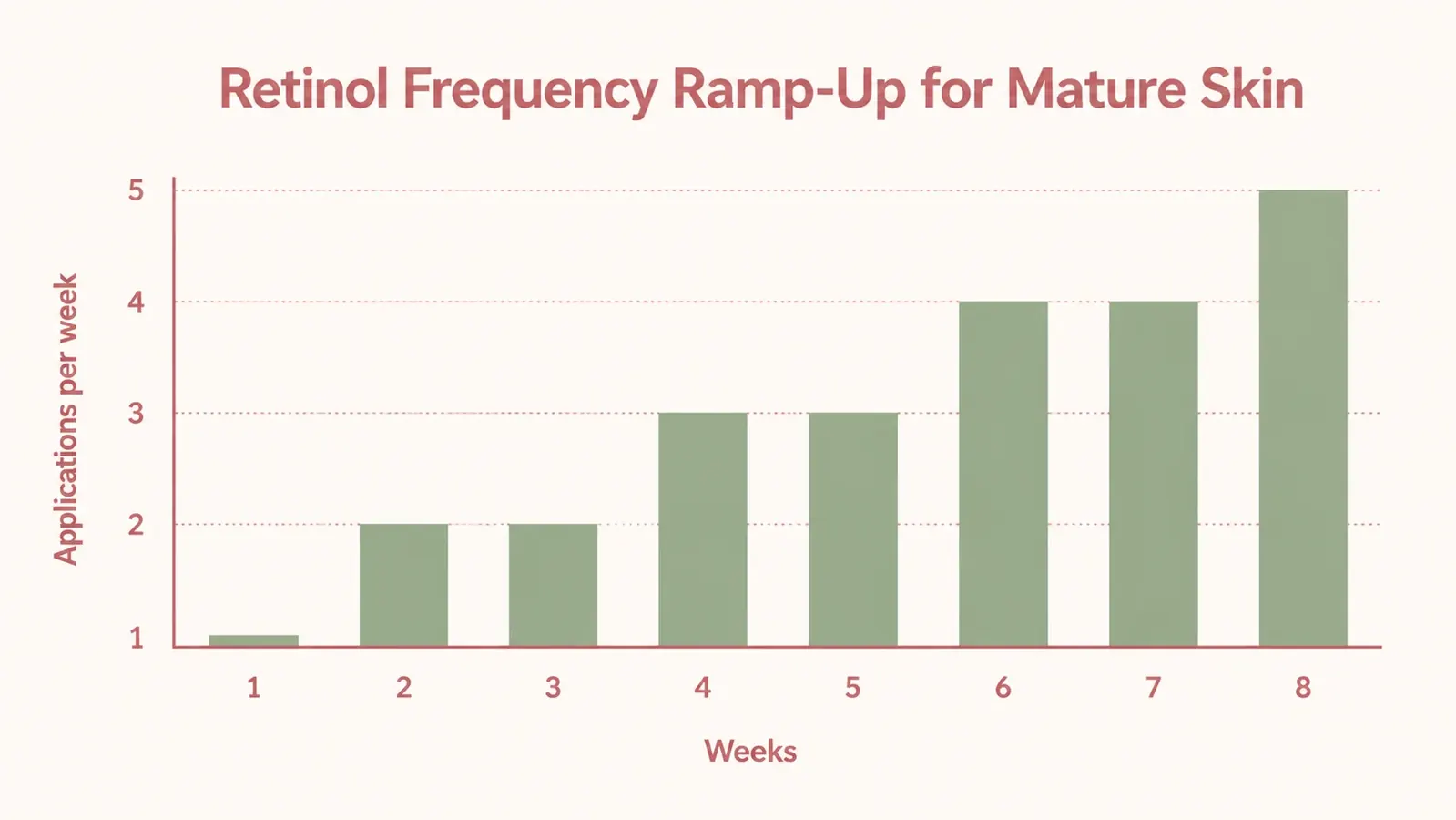
No moisturizer, however rich or expensive, can resurface the skin. Moisturizers hydrate and soften, which temporarily plumps the appearance of lines. Retinol changes the actual structure of the skin over months. The two goals are different, and if texture is your main concern, retinol is the ingredient that addresses it at the cellular level. Most women in my readership who notice the biggest texture improvement are those who commit to three nights a week for twelve to sixteen weeks without skipping.
It is one of the few OTC ingredients with genuine long-term safety data
Retinol has been in widespread cosmetic use since the 1980s, and the prescription-strength relative tretinoin has been used in dermatology since the 1970s. We have decades of safety data on both. For women who are cautious about adding new actives to their routine, this matters. The concern is not long-term safety. The concern is short-term tolerance, which is a different and more manageable issue, especially at the concentrations found in a drugstore serum like CeraVe's.
Encapsulated retinol reduces the irritation that older formulas caused
The retinol serums of the early 2000s were often straightforward retinol suspensions that hit the skin's surface all at once. Encapsulated retinol, which is what CeraVe uses, is surrounded by a polymer shell that slows release over several hours. This reduces peak concentration at the skin surface, which is what causes the irritation, flaking, and sensitivity that put so many women off retinol in the first place. It is a meaningful formulation advancement, not a marketing phrase. If you tried retinol ten or fifteen years ago and found it too harsh, this is the version worth reconsidering.
It addresses pore appearance as skin loses elasticity
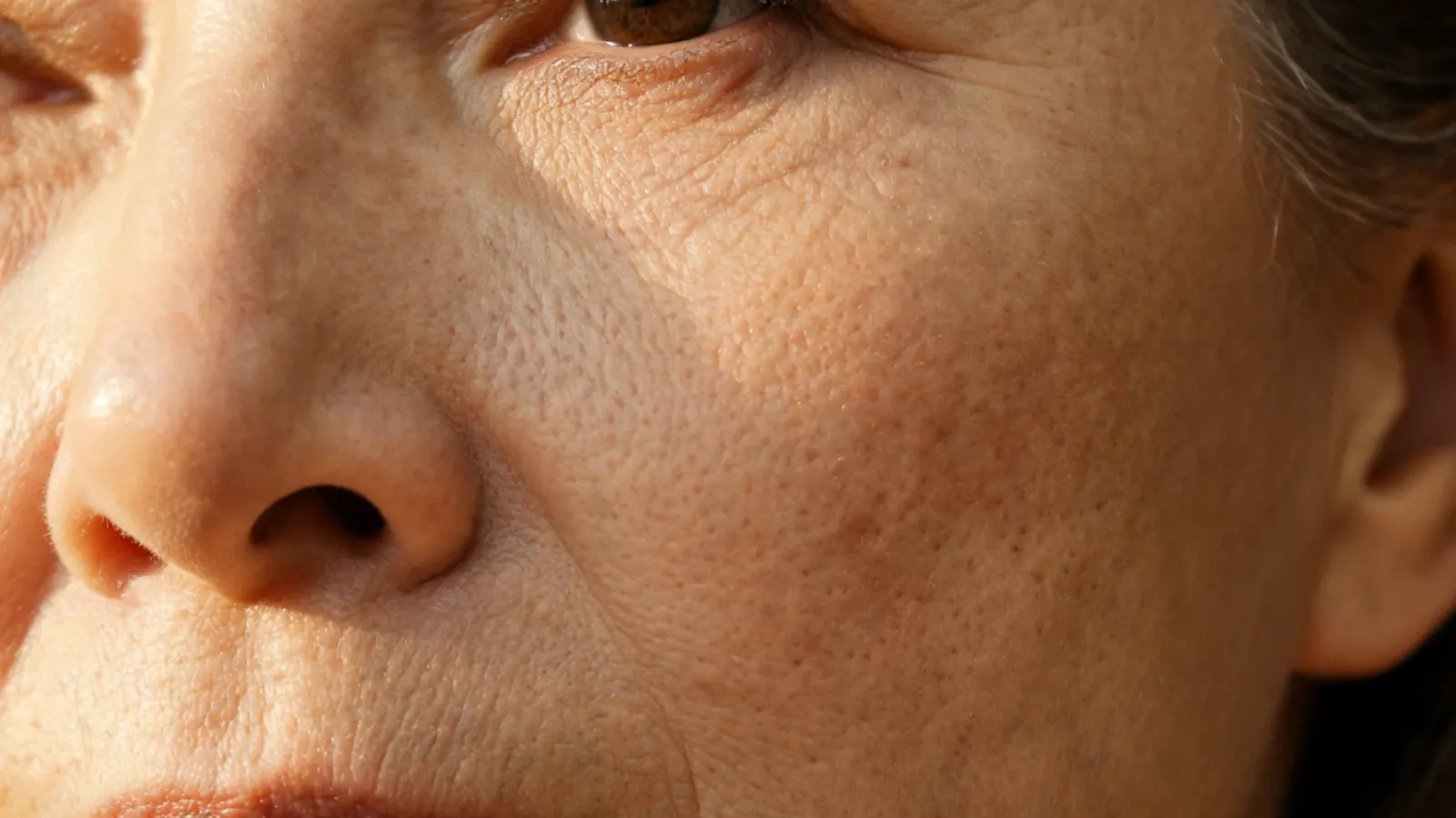
Pores do not literally enlarge with age. What happens is that the skin around them loses firmness, so the pores appear more prominent. Retinol improves this through two mechanisms: it tightens the surrounding skin slightly as collagen production increases, and it removes the dead skin buildup inside pores that makes them look larger. The combined effect is a smoother-looking surface, which is especially noticeable on the nose, chin, and the area around the mouth where post-menopausal skin often loses firmness first.
It works better at night, which fits naturally into a simpler evening routine
Retinol is photosensitive and degrades when exposed to light. It is also not compatible with daily SPF use in the same step. Both of these things point to evening use, which happens to align with how most women over 50 prefer to use their more active skincare. One application at night, after cleansing, under a ceramide moisturizer, is all it requires. You do not need to reorganize your morning routine at all. Your SPF and vitamin C serum stay exactly where they are. Retinol sits cleanly in the evening half of the routine and does its work while you sleep.
It is one of the most cost-efficient actives available without a prescription
The CeraVe Resurfacing Retinol Serum is priced in the range of most mid-shelf drugstore serums and contains enough product for roughly three to four months of three-times-weekly use. Prescription tretinoin costs more, requires a dermatology appointment, and often triggers more initial irritation. Many over-the-counter peptide serums and growth factor products cost three to five times as much and have a fraction of the clinical backing. If budget matters and you want the ingredient with the deepest research record at the most accessible price point, retinol in an encapsulated formula sits well ahead of most alternatives.
What I Would Skip
High-concentration retinol formulas marketed as stronger or faster are not the place to start if you are over 50 and your skin has thinned. Starting with a one-percent retinol serum without ceramide support, or using it nightly from week one, is the pattern I see when women write to say retinol was too harsh and they gave up. The problem is nearly always the pace of introduction, not the ingredient itself. I would also skip retinol if your skin is currently reactive, sunburned, or mid-way through a chemical peel. Let your barrier settle first, then introduce it slowly. Two weeks of patience at the beginning saves months of recovery time later.
If you want to read about the step-by-step introduction process for mature skin specifically, including how to buffer with moisturizer and what to do if flaking starts, I covered that in detail in the guide on how to start retinol after 50. And if you want the full six-week testing experience with notes on texture, tolerance, and what actually changed, the CeraVe Resurfacing Retinol Serum long-term review covers that.
Retinol does not care how old you are. It cares how you introduce it. Slow, consistent, and paired with a barrier ingredient is the approach that makes it work in your fifties.
Ready to try it? Start three nights a week and give it twelve weeks.
CeraVe Resurfacing Retinol Serum is the one I recommend for women over 50 who are starting retinol for the first time or restarting after a bad experience. The encapsulated formula, the ceramides, and the niacinamide make it meaningfully more suitable for post-menopausal skin than most alternatives at this price point.
Amazon Check Today's Price on Amazon →